
Popular Foundation Repair Tools And Materials For Every Project
Review essential products that simplify foundation repair tasks and deliver dependable results.
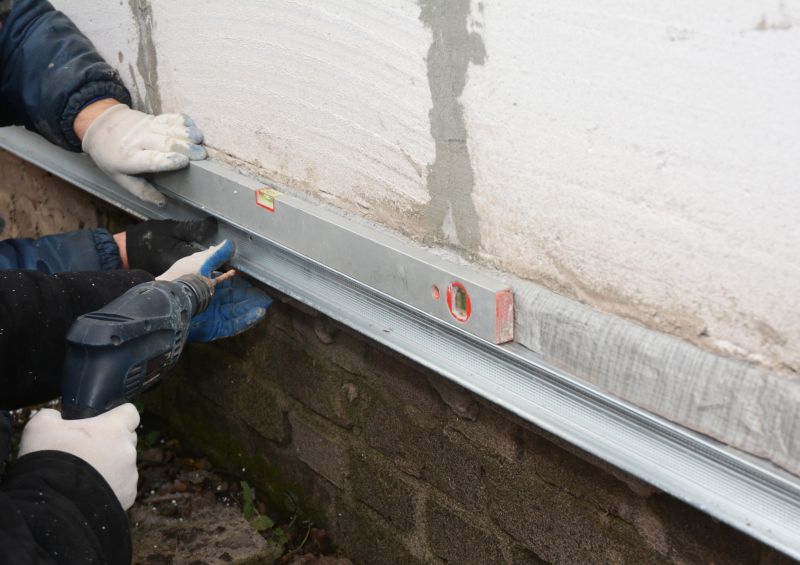 Foundation repairs are a crucial aspect of maintaining the structural integrity of a building, especially in areas like Evansville, IN, where soil conditions and weather patterns can impact the stability of foundations. When considering foundation repair products, it is important to select solutions that are compatible with the specific issues faced, such as settling, cracking, or shifting. A variety of products are available to address these concerns, each suited for different types of foundation problems and construction materials. Proper application and quality materials can help reinforce the foundation, prevent further damage, and support the longevity of the structure.
Types of Products For Foundation Repairs
Pier and Beam Underpinning Systems
Support and stabilize sagging or uneven foundations using adjustable piers and beams designed for underpinning applications.
Carbon Fiber Reinforcement Straps
High-strength carbon fiber straps are used to reinforce cracked or bowing walls, providing added stability without extensive demolition.
Mudjacking and Slab Lifting Kits
These kits utilize a slurry mixture to lift and level sunken concrete slabs and sidewalks around the foundation.
Hydraulic Push Piers
Heavy-duty hydraulic piers are driven into the soil beneath the foundation to provide long-term support and prevent further settlement.
Helical Piers
Helical piers are screwed into the ground to stabilize and support foundations, especially in challenging soil conditions.
Crack Injection Kits
Specialized epoxy or polyurethane injection kits are used to seal and stabilize cracks in walls and floors.
Soil Stabilization Products
Chemical and mechanical solutions designed to improve soil bearing capacity and reduce shifting around the foundation.
Drainage Improvement Products
Products such as trench drains and sump pumps help manage moisture and reduce soil movement that can impact foundations.
Concrete Patching and Repair Mortars
Materials used to repair surface cracks and spalling on foundation walls and slabs.
Vapor Barriers and Moisture Barriers
Installations aimed at controlling moisture levels around the foundation to prevent deterioration.
Fiber-Reinforced Polymer Wraps
Materials used to reinforce and stabilize cracked or bowing walls, providing additional tensile strength.
Anchor Bolts and Wall Anchors
Devices that secure walls to the foundation, preventing movement and bowing.
Polyurethane Foam Sealants
Expanding foam used to fill voids and cracks, sealing out moisture and debris.
Foundation Ventilation Products
Ventilation solutions to reduce moisture buildup and improve airflow within crawl spaces.
Structural Support Beams
Steel or wood beams used to reinforce sagging or compromised structures.
Foundation Jack Posts
Adjustable posts used to lift and stabilize sagging floors and foundations.
Popular Choices
Widely used for sealing cracks and lifting slabs, these systems are favored for their ease of application and quick results.
Commonly selected for their strength and ability to support substantial loads, especially in challenging soil conditions.
Popular for its non-invasive application and high tensile strength, carbon fiber straps help stabilize bowing or cracked walls.
A go-to solution for sealing and stabilizing foundation cracks, these kits are often used for minor to moderate issues.
Used to lift and level sunken concrete slabs, these kits are a common choice for restoring sidewalk and patio surfaces.
Products like trench drains and sump pumps are frequently used to manage moisture and prevent foundation movement.
Installing vapor barriers is a common method to control moisture in crawl spaces and basement areas.
Steel support beams are often employed to provide additional structural support in compromised areas.
Wall anchors are frequently used to stabilize bowing or leaning basement walls.
Adjustable posts are a popular choice for lifting and stabilizing sagging floors and foundations.
Many repair products are designed to be minimally invasive, allowing for repairs to be performed with less disruption to the property. From underpinning systems to crack injections, the right choice depends on the severity and nature of the foundation issue. Homeowners and contractors should evaluate the condition of the foundation thoroughly, often consulting with specialists to determine the most effective solutions.
In addition to structural reinforcement, some products also serve to stabilize soil or improve drainage around the foundation, which can be critical in areas prone to moisture fluctuations. Regular maintenance and timely repairs can help mitigate the risk of more extensive and costly damage over time. When selecting foundation repair products, it is essential to prioritize quality and compatibility with existing structures to ensure safety and durability over the long term.
Key Buying Considerations
- Assess the specific foundation issue, such as cracking, settling, or bowing, to select the appropriate product.
- Consider the soil conditions and moisture levels in Evansville, IN, which can influence product effectiveness.
- Evaluate the severity of the damage to determine if a simple crack repair or a more extensive underpinning is needed.
- Check compatibility with existing foundation materials, such as concrete, brick, or stone.
- Prioritize products that are designed for easy application and minimal disruption to your property.
- Review the load-bearing capacity of support products like piers and beams to ensure they meet your structural needs.
- Look for products with proven durability and resistance to local environmental factors.
- Consider the long-term maintenance requirements of the repair solutions you choose.
- Consult with a foundation repair specialist to confirm the best products for your specific situation.
- Ensure that the products meet local building codes and safety standards.
- Evaluate the warranty or guarantee offered by the manufacturer for peace of mind.
- Determine if the product can be integrated with other repair methods for comprehensive stabilization.
- Factor in the cost and availability of replacement parts or additional components.
- Assess the ease of future inspections or repairs with the chosen products.
- Choose products that have positive reviews and a track record of reliable performance.