Optimal Seasons for Foundation Repairs
Foundation repairs are most effectively performed under specific conditions that minimize risks and ensure long-lasting results. Timing can influence the success of repairs, with factors such as weather, soil conditions, and seasonal temperature changes playing significant roles.
Spring offers moderate temperatures and increased moisture levels, which can facilitate foundation repair work. However, heavy rains may cause delays or complications.
Summer provides warm, dry weather ideal for many repair processes, reducing the risk of weather-related disruptions.
Fall can be suitable due to cooler temperatures and less precipitation, but early frosts may impact certain repair methods.
Winter is generally less ideal due to freezing temperatures that can hinder excavation and curing processes, though some repairs can be scheduled during mild spells.
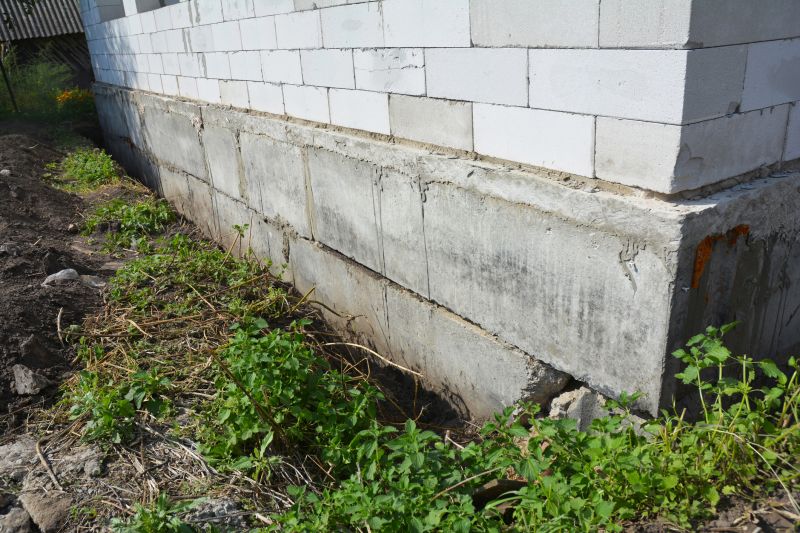
Ways to make Foundation Repairs work in tight or awkward layouts.
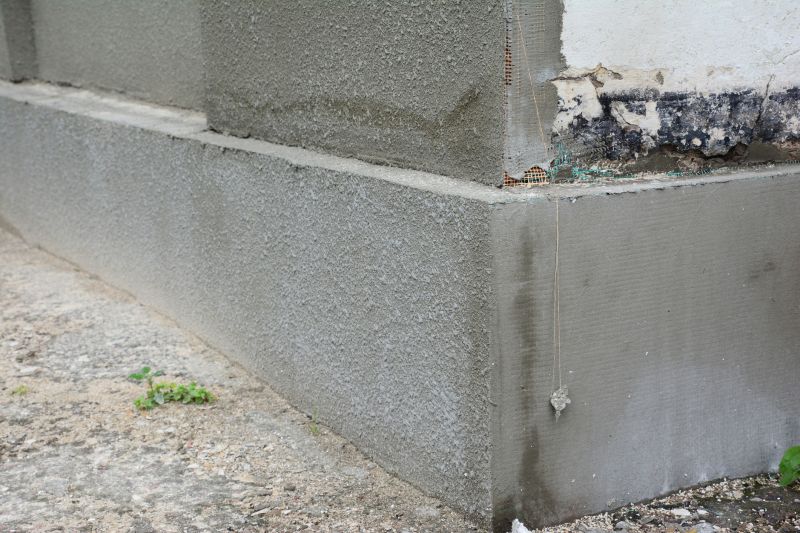
Popular materials for Foundation Repairs and why they hold up over time.
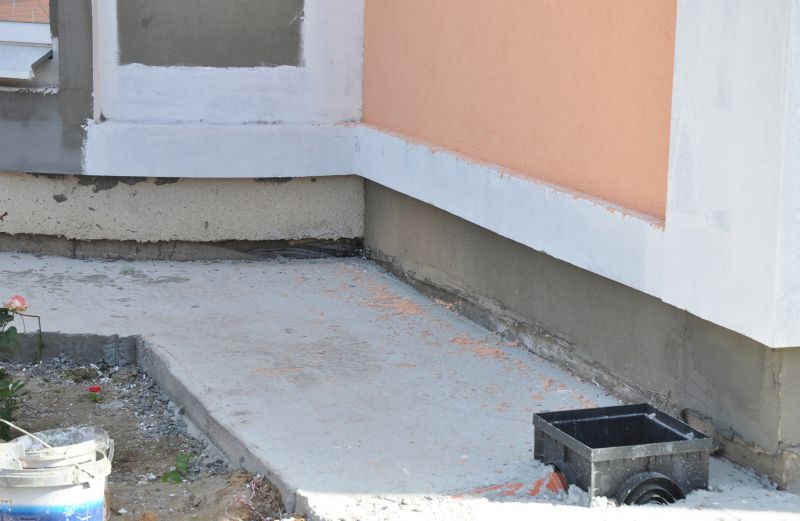
Simple add-ons that improve Foundation Repairs without blowing the budget.
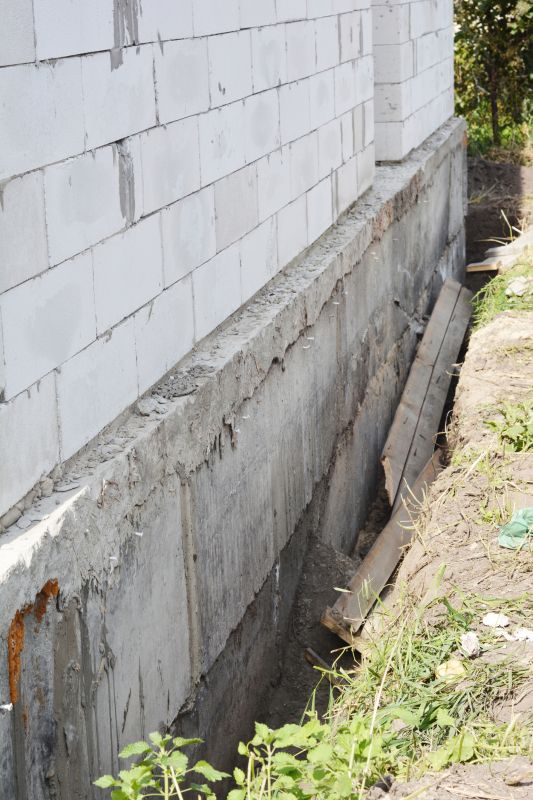
High-end options that actually feel worth it for Foundation Repairs.
Foundation repairs are essential for maintaining structural integrity and preventing further damage to a property. Soil conditions, moisture levels, and temperature fluctuations significantly impact the timing and effectiveness of repair work. Properly scheduled repairs can reduce costs and extend the lifespan of a foundation.
Statistics indicate that early detection and timely repairs can prevent costly structural issues. For example, addressing foundation problems promptly can reduce repair costs by up to 50%. Seasonal considerations are crucial, as working during optimal weather conditions ensures better curing, adhesion, and stability of repair materials.
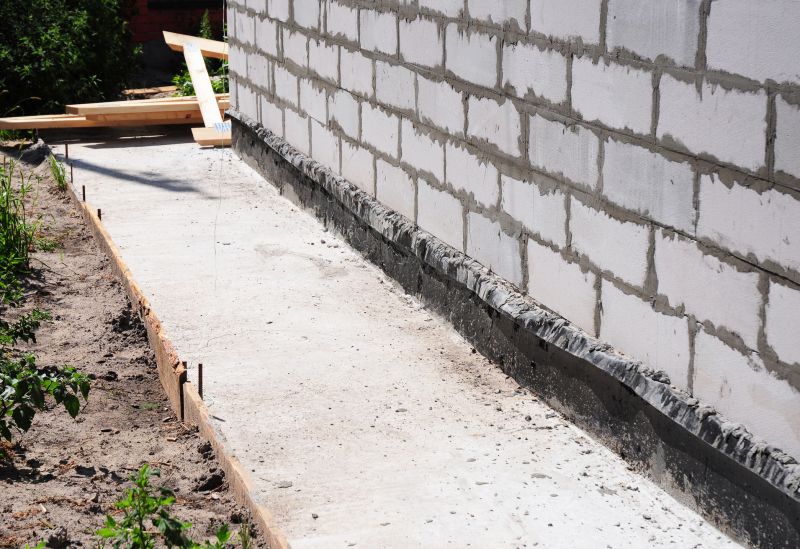
Finishes and colors that play nicely with Foundation Repairs.
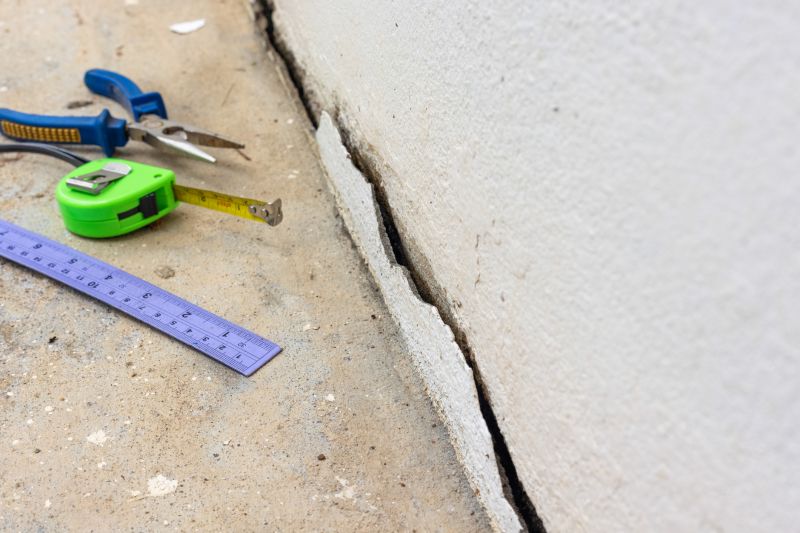
Little measurements that prevent headaches on Foundation Repairs day.
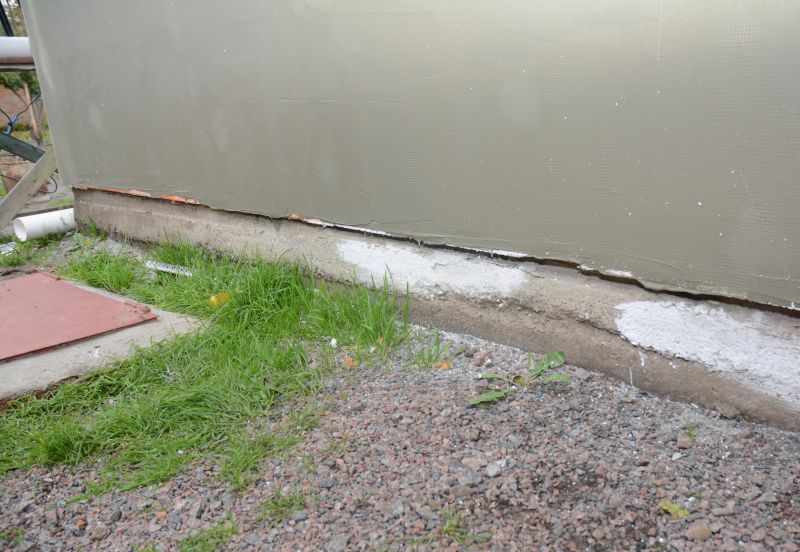
A 60-second routine that keeps Foundation Repairs looking new.
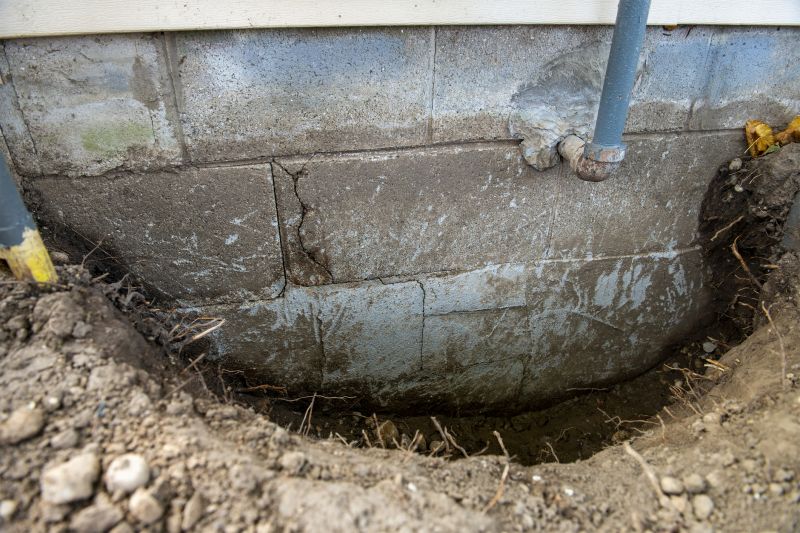
A frequent mistake in Foundation Repairs and how to dodge it.
| Season | Ideal Conditions |
|---|---|
| Spring | Moderate temperatures and increased moisture |
| Summer | Warm, dry weather |
| Fall | Cool temperatures with less precipitation |
| Winter | Freezing temperatures, generally less suitable |
| Late Spring | Optimal for many repair methods |
Choosing the right time for foundation repairs involves considering weather patterns, soil moisture, and temperature stability. Scheduling repairs during favorable conditions enhances the durability and effectiveness of the work. Consulting with foundation specialists can help determine the most suitable timing based on local climate patterns.
If interested in foundation repairs, filling out the contact form can provide access to professional assessments and tailored solutions. Proper timing ensures better results and helps maintain the structural health of the property.